

Car Transport Services
Affordable car shipping by vetted, cargo insured carriers. Door-to-door auto transport for sedans, coupes, and hatchbacks nationwide.
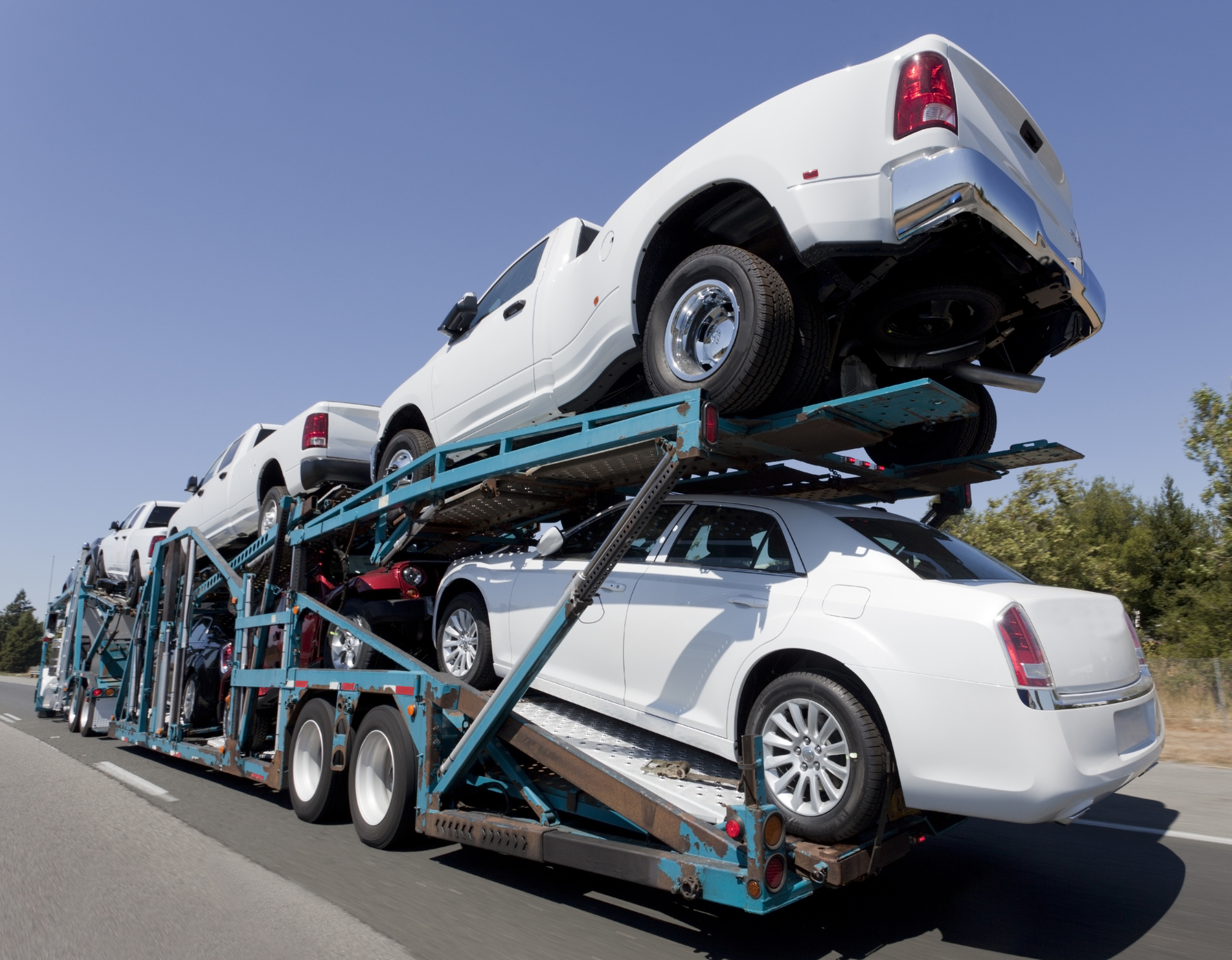
How To Ship a Vehicle Safely and Efficiently
Shipping a vehicle doesn’t have to feel overwhelming. Whether you’re moving a sedan, SUV, sports car, or collectible, you want your vehicle handled with care from pickup to delivery. This guide breaks down the key steps and factors involved in domestic auto transport, including how carriers are assigned, what affects pricing, and what to expect during the shipping process.
If you’re arranging international transport, the preparation is similar—but typically involves additional documentation and specialized carriers. Vehicle transport isn’t a one-size-fits-all service. Distance, trailer type, carrier availability, and your vehicle’s specifics all play a role in choosing the right carrier and ensuring a smooth, reliable delivery. With proper planning and a trusted auto transport partner, you can move your vehicle confidently without stress or uncertainty.
Other Factors To Consider When Shipping A Car
How Much Does It Cost To Ship A Car?
The cost of shipping a vehicle depends on several factors, including supply and demand, distance, route popularity, and the type of carrier needed. When more customers are shipping vehicles along the same route and fewer carriers are available, prices may increase. If fewer vehicles are moving and carriers have open spots, prices can be lower.
Seasonal patterns also play a role. For example, many people ship their cars south for the winter, which can make northbound routes less expensive during that same period.
Other elements—such as fuel prices, weather conditions, and regional demand—can also influence pricing. While rates fluctuate month to month, the indexes below provide a helpful baseline for understanding average vehicle shipping costs per mile.
What We Ship
Understanding The Distance
If you are planning to ship your car, what’s the first thing that comes to mind? If we are right, it’s the distance. Is the car going to be shipped domestically or internationally? Yes, that’s right, you can ship a car internationally, but it will cost a little more than the domestic route.
Shipping companies will calculate their quote by distance. Thus, providing an accurate address and distance is going to be key to getting a fair and balanced quote. Tools like the auto transport calculator also help to take the guesswork out of getting a quote. You should also expect that most companies will offer a similar quote for the same amount of miles.
Vehicle Condition
Another factor that goes into car shipping is the make and model, because not every car is the same. The price to transport a Dodge Ram dually pickup truck is not going to be the same as the price to transport a tiny Mitsubishi Mirage. The bigger the car the more complicated of a trailer is going to be needed and vice versa, and there are also specific needs such as a covered trailer for collectors cars. These are aspects that you’ll want to consider and express to the auto transport company before you settle on a deal because every car is different and has a different need when it comes to auto transport.
Be Upfront and Honest About Your Vehicle Condition
So here’s the thing, you want to be upfront and honest about the vehicle condition before the car transport company gets there. If the vehicle is inoperable the company will need to know because this will require more dedicated equipment to get the car where it needs to be, and depending on how complicated the situation might be the entire process could be delayed. A good rule of thumb is that a vehicle will at least have the ability to steer and roll, as well as the shift into neutral gear.
Learn more about our car shipping process here.
If you are shipping a vehicle, there is a good chance that it doesn’t run, but you at least want the process to go as smooth as possible. Shipping a vehicle is an intensive process, and if a vehicle is in poor condition, it might not make the trip. If you are opting for an open-air variation of transport, you’ll want to visually inspect the vehicle. In addition, make sure that there are no loose or dangling parts that could potentially be a hazard on the freeway. The issue could be a hazard for other drivers as well as a potential ticket for the transport company. Thus, this will only slow down your vehicle getting to its destination.
Location is Key
The location is an important part of the transport process because the more rural an area that you live in, the less auto transport companies there will be. Living in or near a major metropolitan area will make the process of acquiring an auto transport company a little easier, as you are going to be dealing with smaller operations in the smaller parts of the country.
The bigger the city will also mean a better rate because if an automotive transport company is doing a lot of business they can afford to charge more economical rates. You’ll want to go with a company that has experience transporting vehicles in all weather conditions, that way you’ll know that your vehicle is going to make it back on time.
The Season Makes A Difference
The auto transport industry is ever-changing, and the season will make a difference in how much you can expect to pay for auto transport as well. The summer months are the peak season for auto transport, and if this is the time that you have decided to move, you can expect to pay a little more. The wintertime months are ripe with more road hazards because of the ice and rain in certain parts of the country, so you’ll want to pay attention to the weather in the area that you are moving to.
If you are moving to an area that is prone to icing, you can expect to either pay a premium or have a delay when it comes to getting your vehicle where it needs to be. The season can play a major role in the vehicle transport business, and research in the key to getting the job done right. You don’t want to make a mistake when it comes to transporting your vehicle, so taking the time to research where your car is going to be shipped to and the elements is an essential part of understanding the process.
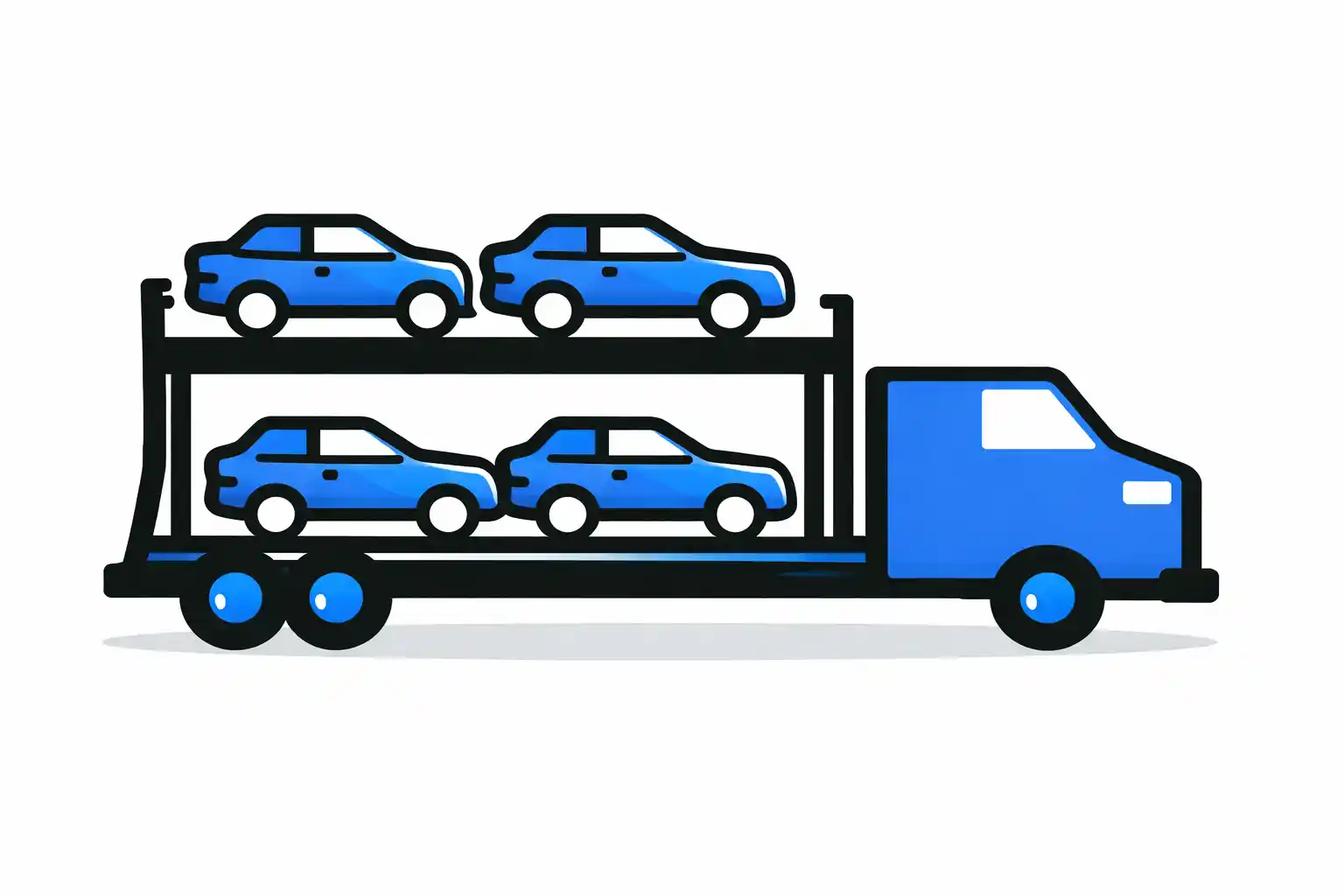
Open Transport Car Shipping
Open transport is the most common and cost-effective way to ship a vehicle. These are the open carriers you often see on the highway, capable of transporting multiple cars at once.
It’s a reliable option for most standard vehicles and is the industry’s most widely used method. Because cars are transported on an open trailer, they are exposed to weather and road elements, but the process remains safe, efficient, and budget-friendly.
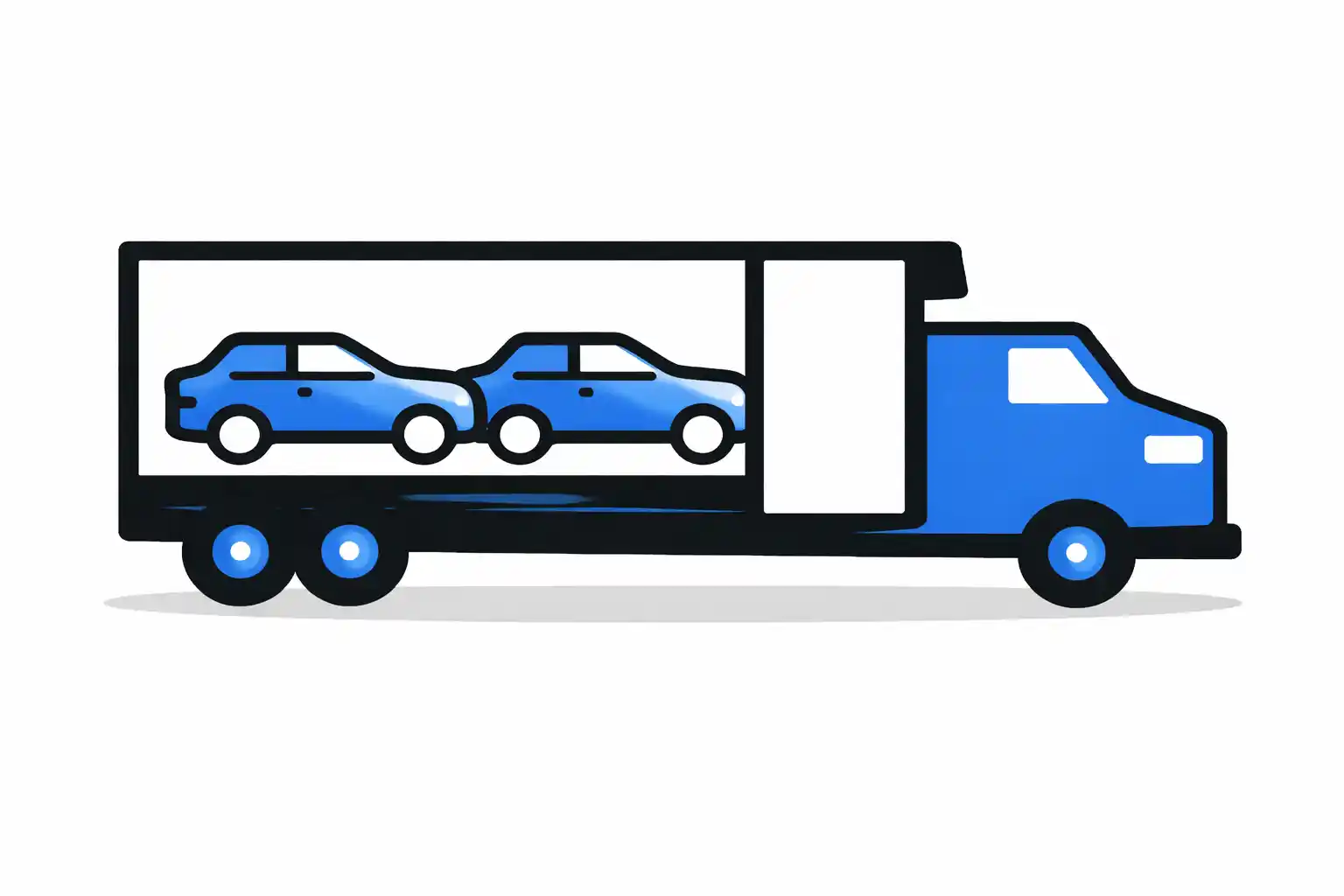
Enclosed Transport Car Shipping
Enclosed transport offers additional protection by transporting your vehicle inside a fully covered trailer. This shields it from weather, debris, and outside elements.
It’s the preferred method for exotic, luxury, vintage, or high-value vehicles—anything that requires extra care and a controlled environment. While enclosed transport costs more than open transport, the added protection makes it ideal for specialty or collector vehicles.
Car Transport Methods
There are several ways to ship a vehicle, and the right option depends on your location, flexibility, and pricing needs. Below is an overview of the most common transport methods available in the industry today.
Door-to-Door Transport
Door-to-door transport is the most popular and widely used method. The carrier picks up and delivers your vehicle as close to your specified addresses as safely possible. Most carriers prefer this method because it provides smoother routing and avoids the limitations of fixed terminals.
Terminal-to-Terminal Transport
Terminal-to-terminal service is less common today but still available in certain major cities. With this method, you drop your vehicle off at a designated terminal, and the carrier picks it up from there. It can be a cost-effective option but may involve longer wait times and additional storage fees.
Transport by Rail
Rail transport is now rare and limited to select routes. While it used to be more widely available, most auto transport today happens via truck. Rail can still be an option in specific regions, but availability is extremely limited and not commonly used.
Ready to Transport Your Car?
Now that you understand the ins and outs of the auto transport process, you can rest assured that your vehicle will make it to its destination on time and intact. Researching is key when it comes to a positive process.
Thus, take the time to gather information on where you are moving to and the characteristics of your vehicle. This will help in providing you with an accurate quote. The automotive transport process doesn’t have to be an intimidating one.
Similarly, the process can go quite smoothly once you have everything in order. Take the time to do your due diligence and compare the various auto transport quotes. This will help you to make an informed decision. You’ll also have your vehicle safe and sound at your new destination in no time.
Get a Quote Today
The more you know about the auto transport process and how we work, the fewer surprises will be waiting for you. You can fill out our free online quote request form right here on our website.
For assistance, you can give us a call toll-free at 800-553-1828. The free auto transport quote is calculated by one of our friendly and experienced staff members. We work hard to make sure your transportation experience is the best we can make it, bar none, or Request a Quote online.
Car Shipping — Your Questions Answered
Straight answers about cost, timing, and what to expect.