

The Best Type of Auto Transport for Your Needs (How to Choose)


In the United States, purchasing a vehicle is second in importance only to purchasing a home. People love their vehicles, which is why the auto transport industry exists for remote pickup/delivery.
But whether your vehicle is traveling near or far, there’s a lot involved in arranging transport. That’s why it’s important to make sure you understand both your needs and the complex nature of auto transport.
Fortunately, you aren’t alone in evaluating these choices. Read on to discover more about what type of auto transport will serve you best given your unique circumstances.
Further Insights into Auto Transport
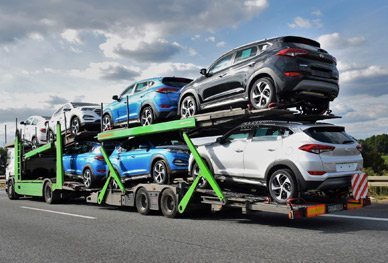
Though the auto transport industry produces $12 billion annually, according to IBIS, to most people, it remains elusive. However, one only needs to imagine large semi-truck-like beasts hauling multiple cars down a highway to get the picture.
The industry is built around a relationship between the customer, broker, and carrier. Your broker’s job is to source a qualified carrier for your route, screen that carrier for authority and insurance, and manage the shipment from quote to delivery.
With Mercury, that means every carrier is sourced through the national dispatch marketplaces, then screened through Mercury Shield before assignment. Your agent confirms your price with you directly — there’s no public bidding process you have to navigate, and no waiting to see what a carrier will accept.
Once your agent has the details of your shipment, they’ll work to find the right carrier and confirm a price and pickup window with you before anything is dispatched. That confirmed price is what you pay — no separate deposit, and nothing owed to the carrier directly.
As you can tell, there’s a lot happening behind the scenes, which is why choosing the right broker matters. With the right broker, the process becomes much smoother, and in turn, you ensure successful transport.
Choose a Broker and Carrier Offering Diverse Auto Transport Options
To reiterate, choosing the right broker is essential, as all other good factors flow from this decision. But first, you must know a bit more about the terms, “broker” and “carrier.”
Brokers are there to represent you during the process of auto transport and cover as much liability as possible. To do so, they confirm FMCSA licensure and verify cargo insurance for every carrier considered for your transport.
However, a good broker agent is responsible for more than simply crossing T’s and dotting I’s. They must confirm price and a realistic pickup window (not an exact delivery time, which can’t be guaranteed) in a way that works for everyone involved.
Your broker agent, therefore, uses their expertise to secure the right carrier at a fair, confirmed price. So, even though brokers charge a fee, they save money and time in the end by delivering the best option.
Now, a carrier is something entirely different than a broker; but they are equally integral. A carrier is essentially the driver, vehicle, and respective company, all in one.
The carrier usually hauls multiple vehicles simultaneously upon a specific route, which is why the road is their primary focus. But even still, they will contact you throughout the transport process to provide updates about scheduled loading/unloading at your destination.
Ultimately, a driver is entrusted with the final responsibility of ensuring your vehicle is properly prepared for loading/unloading before driving. Together, both you and they must inspect and sign off on the vehicle, a critical component of the process.
Consider Cost and Insurance to Determine the Right Auto Transport Type for Your Needs
One of the first steps in your auto transport journey is to chip away at the expected cost of transport. This occurs in the form of receiving a quote from one of your broker’s representatives online or by telephone.
Your initial quote gives you a realistic starting point based on route, vehicle, and timing. Your agent then confirms your final price directly with you once the details of your shipment and carrier are settled — no bidding required on your end.
Flexible timing tends to result in better pricing, since carriers have more room to work your shipment into an existing route. If you can be patient and/or plan accordingly, that flexibility can save you money.
Nothing is charged or held when you book. Payment is taken in full only after you approve a carrier’s offer.
Once your carrier is assigned and your price is confirmed, that single payment — made directly to Mercury — covers the full cost. You’re never asked to pay a driver directly, and there’s no separate balance due at pickup or delivery.
That final price is ultimately shaped by variables like distance, timing, and your chosen shipping method. Your broker should be able to provide a simple cost breakdown along with reasonable payment options.
Every shipment is also backed by the carrier’s cargo insurance, verified by your broker before dispatch. In the event a vehicle is damaged, that coverage plays a vital role in resolving the claim.
Thus, it is highly recommended you keep a copy of every document involved in transport for insurance reasons and contingencies. Moreover, you should check with your personal auto insurance company to inquire if they cover auto transport accidents beforehand.
Finally, you should always investigate your carrier’s insurance policies, because each one’s coverage varies depending on their vehicle and policy limits. By accepting a carrier, you accept their terms of insurance, so it’s worth understanding what’s covered before dispatch.
Choose the Right Shipping Method for Transporting Your Vehicle

One of the most important choices you can make after choosing a broker and a carrier is the shipping method. And there are three shipping methods prevalent in the auto transport industry to choose from: open, enclosed, and flatbed.
Open auto transport is the most common method and, as a result, most quotes will assume this method of transport. Open auto transport carriers don’t have roofs or siding, which isn’t ideal for expensive cars; still, they are incredibly common transport options.
Open auto transport carriers vary in size; however, most open transports carry 7-10 cars and generally ship out in 3-5 days. Open auto transport is the most cost-effective method, as the truck can move multiple vehicles at once.
Enclosed auto transport is the second shipping method available, though not readily, and is widely recommended for expensive vehicles, almost exclusively. Enclosed auto transports are enclosed for further protection against the elements, unlike open or flatbed carriers, ideal for expensive vehicles.
Because of the smaller base and lesser demand, enclosed auto transports are harder to come by and arrange for customers. This, in turn, makes them more expensive – 30% to 56% more so – than open shipping carriers.
Flatbed auto transport is the final and least-used shipping option; it is also the most expensive because they haul fewer vehicles. That’s because these vehicles are incredibly heavy and cannot fit into an open carrier; even still, cost varies, weight/size/condition depending.
Flatbed auto transports are harder to quote due to all the factors involved, so thorough communication with a representative is recommended. It also takes longer to arrange transport, so you should plan accordingly as much as possible.
Choose the Best Delivery Method When Choosing Which Type of Auto Transport to Use
Choosing the appropriate delivery option is essential to ensure your vehicle arrives in a way conducive to your needs. There are two main delivery options to choose from: door-to-door and terminal-to-terminal – however, a third hybrid option is sometimes offered.
Door-to-door is the most common delivery method, and like open transport, it’s defaulted to most quotes. With this method, the carrier loads and unloads the vehicle at your chosen destinations, ideal for most customers and drivers.
Door-to-door is also the most cost and time-effective delivery option, as it can be executed on a straightforward route. Still, some destinations with narrow roads are inaccessible for bulky carriers, necessitating further coordination between carrier and customer when applicable.
Compared to door-to-door, terminal-to-terminal costs more and takes longer because terminals aren’t often readily available, except for in big cities. With terminal-to-terminal, you leave your vehicle at an agreed-upon terminal for transport to another chosen terminal, closest to your destination.
Terminal-to-terminal is recommended for customers unable to coordinate, indifferent to potential elemental damage, and capable of waiting to drive again. If you meet those criteria, this delivery option saves time and expenses for carriers, as they combine shipments for delivery.
The third hybrid option (door-to-terminal or terminal-to-door) mentioned above is harder to find amongst brokers, but when available, it’s appealing. This is especially true for customers who can only be present for part of the process, so ask if necessary.
Car Shipping Can be Different for Each Auto Transport Company
Once you’ve arranged for your vehicle to be transported, you must properly prepare it for loading up on your arranged carrier. Your agent should inform you of these details, but you must understand what’s expected of you beforehand.
Remove all personal belongings from your vehicle, including digital accessories, luggage containers, equipment racks, and any modifications. Additionally, note mileage and condition, including any external damage, upon the Bill of Lading before loading your vehicle for transport.
Furthermore, disconnect your vehicle’s alarm system and provide both the remote and a copy of your key to your driver. If your car is disabled or inoperable, you must disclose this immediately to your agent before any further action occurs.
Moreover, you must ensure your tires are inflated, your brakes and steering are fully operational, and your windows are unblocked. Worth noting is no firearms, ammo, or fire extinguishers may be left in the vehicle during transport, for safety reasons.
If you wish to pack your vehicle for transport, you must limit belongings to the trunk and respect weight limits. Exceeding a weight limit can cause increased charges or even a rejected shipment, so stay within 100 lbs when packing.
However, items considered integral to the vehicle, like spare tires or car seats, or jacks may be included. As an aside, keep only ¼ tank of gas for transport, as any more can cause unnecessary weight.
Following each of these procedures is vital to ensure shipping occurs smoothly and your transport needs are met. To do so, give yourself plenty of time to prepare your vehicle for shipping.
Consider Delivery Dates When Choosing an Auto Transport Company
We don’t promise a fixed delivery date or time. Weather, traffic and carrier schedules can shift any shipment, so your agent gives you a realistic estimate and keeps you posted. Please understand that delivery times can vary depending on distance and weather, but generally, carriers arrive promptly.
Still, you will stay informed by your carrier as to when arrival can be reasonably expected. Generally, it takes a few days for every 500 miles traveled.
It’s also important to note the delivery process is an involved procedure in which an important inspection must occur. Both you and the driver, upon delivery, must inspect the vehicle and fill out the Bill of Lading.
The inspection is necessary to determine if any damages to your vehicle have occurred during the transport process. Inspections don’t take very long – ten minutes, usually; however, they require serious attention and effort.
Compare your vehicle’s mileage upon delivery to pre-shipment mileage located on the BoL and note any issues thoroughly. Both you and the driver must sign this document and receive a copy for the process to be final.
Any damage should be marked and signed off accordingly on the Bill of Lading; then contact your agent to find out where to file the claim. If your BoL isn’t signed by both of you, all claims will be rejected.
Since payment is already handled before dispatch, there’s nothing left to settle at delivery — even if you notice an issue during inspection. Simply document it on the Bill of Lading and contact your agent, who will take it from there.
Final Thoughts for Determining the Best Auto Transport for Your Needs

Transporting your vehicle remotely is made even easier by understanding the options in accordance with your needs. A good broker and carrier are essential too, so make sure to do your research before making the decision.
But if you understand the stakes, you’ll have fewer problems. So take your time and enjoy the convenience of remote transportation!